More DPIAs. Fewer meetings.

Your team knows the project. Caijo knows what to ask.

Caijo interviews the people doing the work, assesses the activity against your DPIA framework, and brings the description, findings, risks and recommended actions together. Your privacy experts get an assessment to review, not another interview to lead.

Request free access to try Caijo on your own use case.

Start the conversation 24/7 No prompt-writing required Findings, risks and actions together

“The supplier includes it” isn’t the same as “we need it.”

app.privacydesigner.com
Assessments
Customer identity verification GDPR data protection impact assessment
C
Caijo
Customer identity verification
Product lead

We’re adding identity verification to onboarding. The supplier checks an ID document and a selfie. We were going to enable both for every new customer.

Caijo

Let’s separate what you need to achieve before assessing the checks. Are you verifying identity to meet an obligation for particular products, to reduce fraud, or both? The purpose matters because the same check may not be justified for every customer.

Product lead

Both. Some products have an identification obligation. For the others, the fraud team wants it because chargebacks have increased. We haven't yet checked what verification data the supplier keeps.

Caijo

I’ll describe those as two uses of the same service and examine each on its own facts. First, we’ll map who is checked, what the supplier receives and keeps, and what happens after the result. Then you can confirm the description before we assess the requirements.

Caijo

For the fraud-prevention use, let’s examine whether the selfie check is necessary. What less intrusive measures have you considered, and what evidence suggests the extra check would reduce the fraud you are seeing?

Product lead

We haven't compared alternatives. The check is part of the standard package, so it seemed easiest to turn everything on.

Caijo

My proposed finding is that necessity for this use has not yet been demonstrated. A bundled feature is a reason it is available, not a reason every customer needs to undergo it.

I recommend comparing the check with a targeted approach or other fraud measures before choosing the scope. Does that accurately reflect the current position?

Product lead

Yes. We can ask the fraud team to compare the options.

Caijo

You described a failed check as blocking onboarding, with support able to override it. A legitimate customer could therefore lose access or face a delay even when they have done nothing wrong.

How does the customer find that support route, and what do you know about false rejections or difficulties for different groups of customers?

Product lead

There's a contact link after a failure. We don't have rejection testing or a response-time target yet.

Caijo

The contact link and override are existing safeguards, based on your description. They do not yet show how reliably or quickly a customer can resolve a failure.

I’ll record that risk and recommend reviewing the recovery route alongside supplier testing. We should use that information when agreeing the likelihood rating rather than inventing a precise estimate now.

Caijo

The draft now separates the two purposes, records the necessity finding and explains the customer-access risk.

The proposed actions are to compare fraud-prevention options, confirm supplier retention, and test the failed-check recovery route using relevant rejection information. Supplier retention is still unconfirmed from our earlier discussion; none of these actions is recorded as completed.

Shall I record these follow-ups for your team to take forward and your privacy expert to review?

Product lead

Yes. That gives us something concrete to work through before the review.

Free testing

Try it on a project of your own.

Request free access to try Caijo on your own use case.

Try Caijo for free

The hard part isn’t filling in the template. It’s finding out what belongs in it.

Less chasing. More assessing.

A project description rarely answers every privacy question. Caijo follows up with the team, so your specialists spend less time extracting the basics and more time resolving what matters.

Find the detail that changes the assessment.

An additional purpose. A supplier retaining a copy. A default setting nobody questioned. Caijo explores the implementation behind the initial answer, not just the product name.

Give the project a way forward.

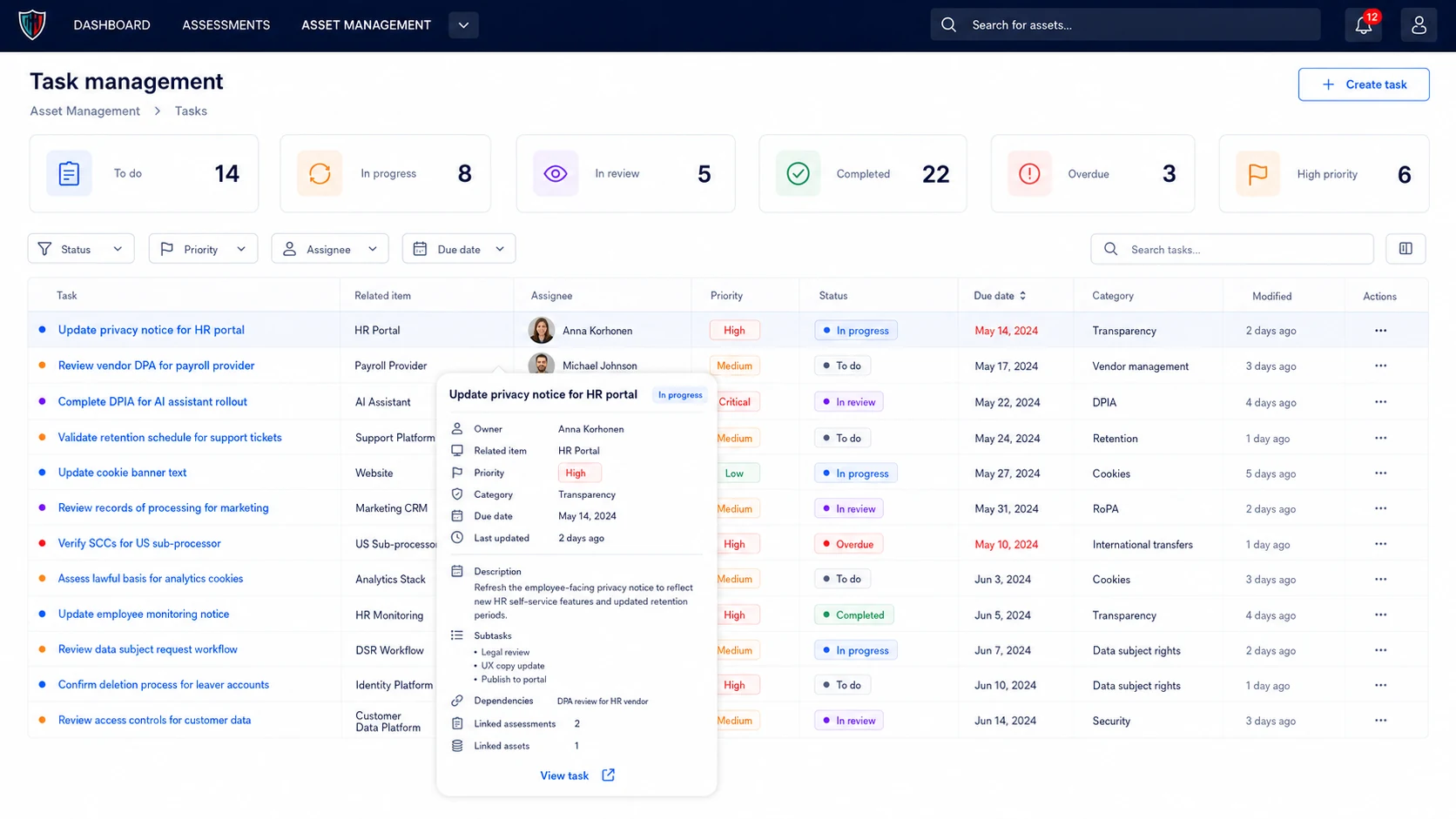
A risk should lead somewhere. Caijo proposes practical measures and records follow-up tasks, helping the team understand what to change and why.

A conversation for your team. A structured DPIA for your reviewer.

The activity, described.

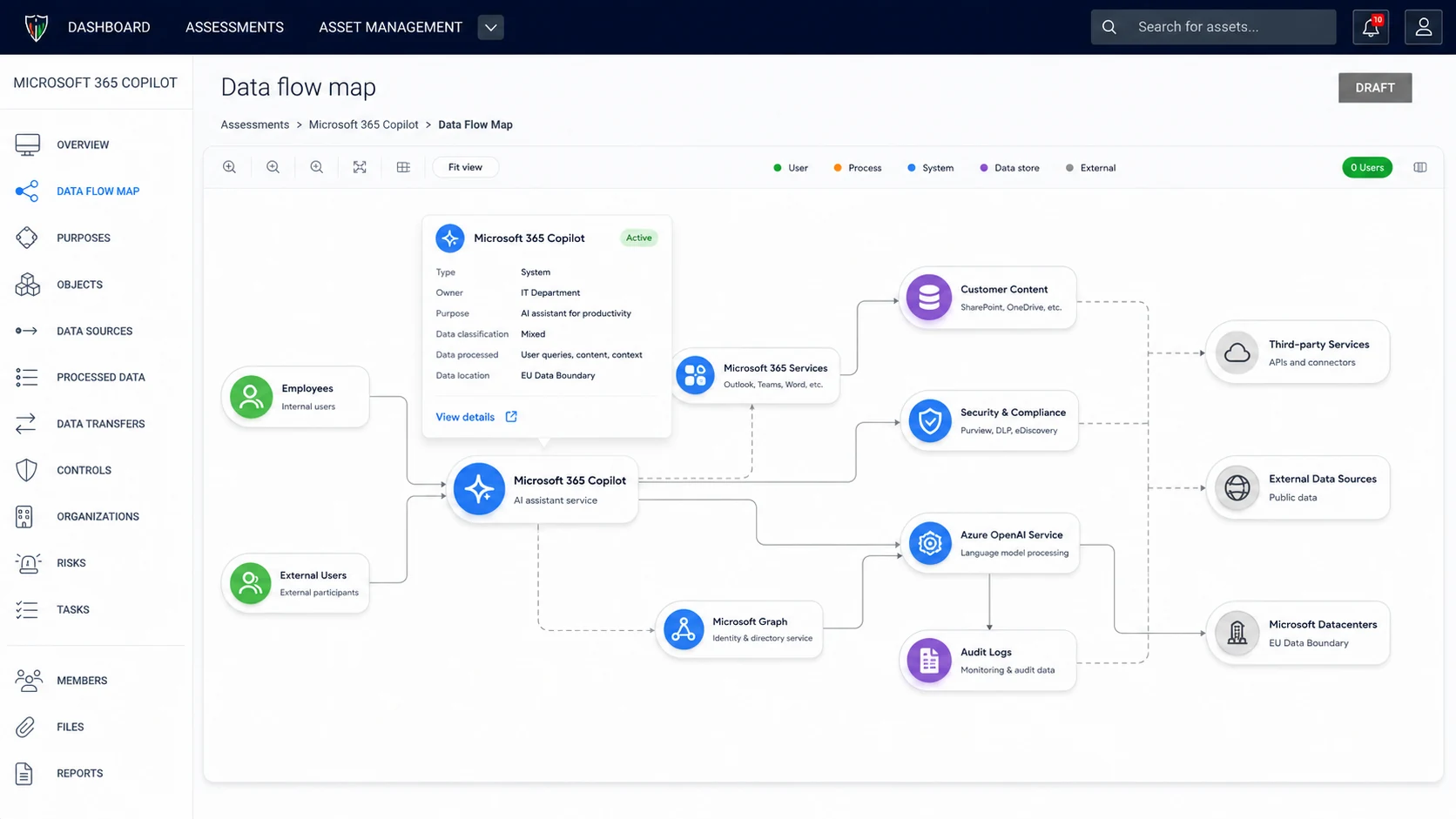
Purposes, people, data, systems, suppliers and data flows brought into a systematic description.

The requirements, assessed.

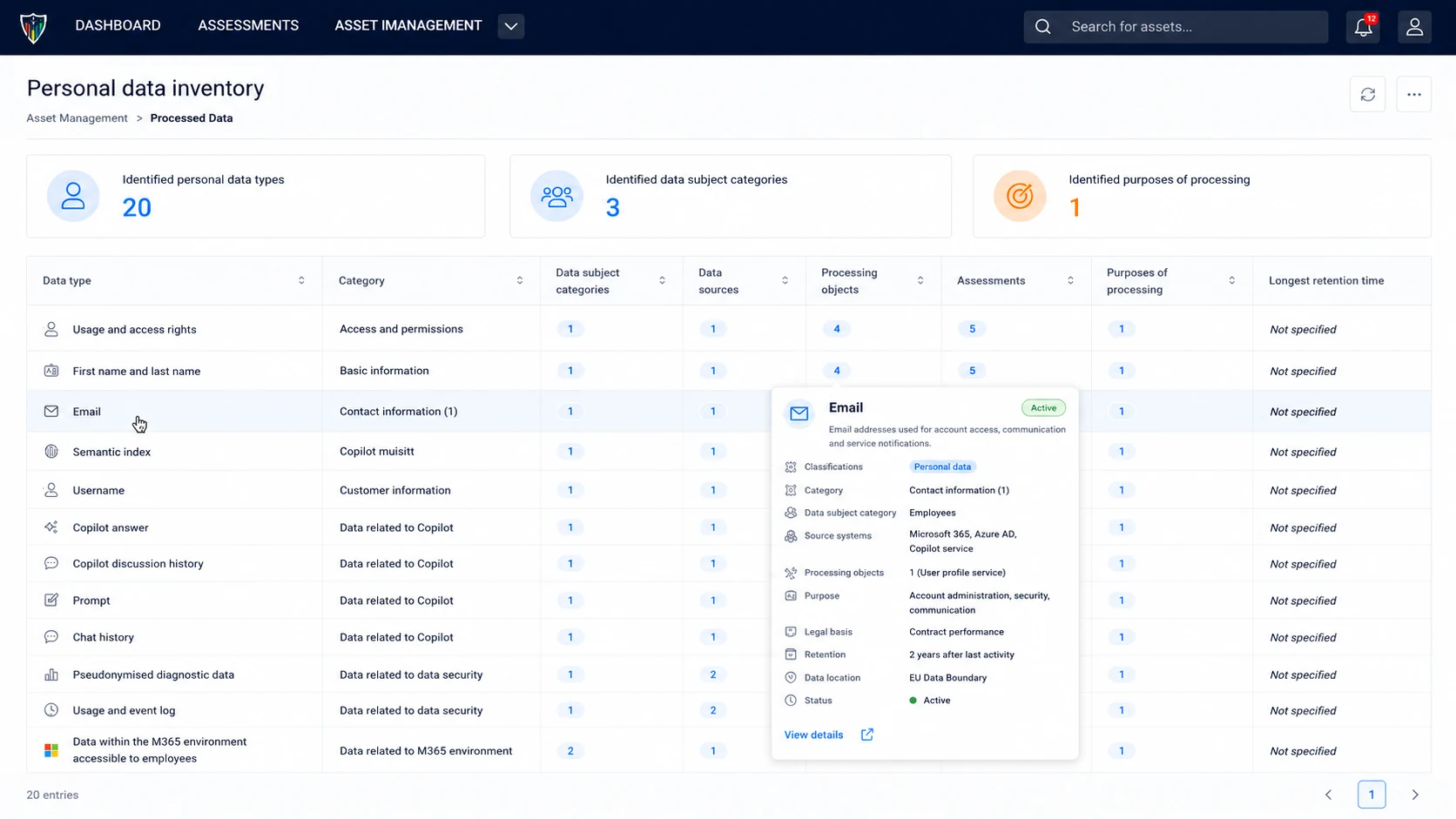
Context-specific findings, including necessity and proportionality, with the reasoning your reviewer needs.

The risks, examined.

Potential harm to people, existing safeguards and the risk that remains, not a list of generic threats.

The next steps, recorded.

Recommended changes and follow-up tasks, kept separate from measures already implemented.

Your DPO starts further ahead. Your project knows what comes next.

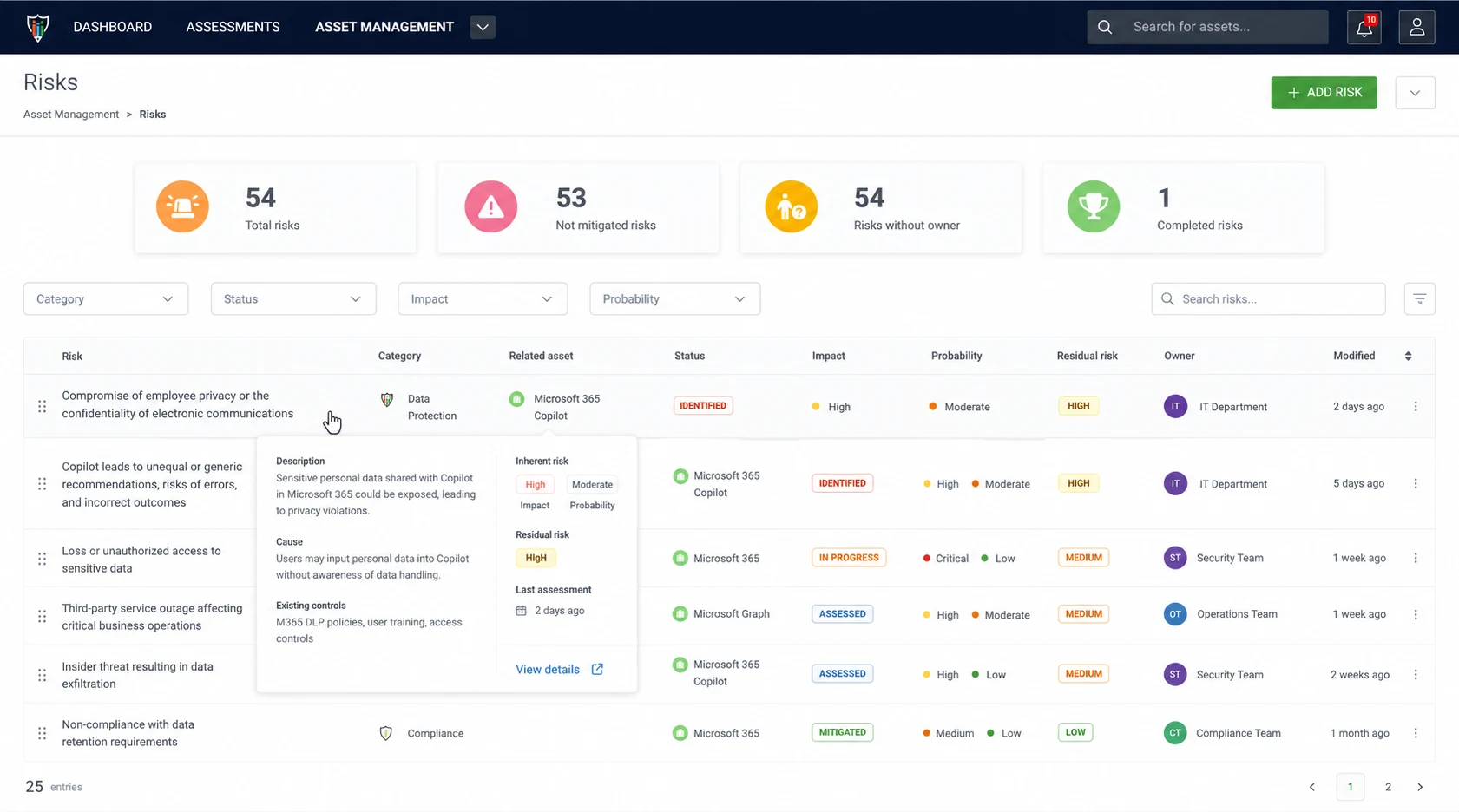
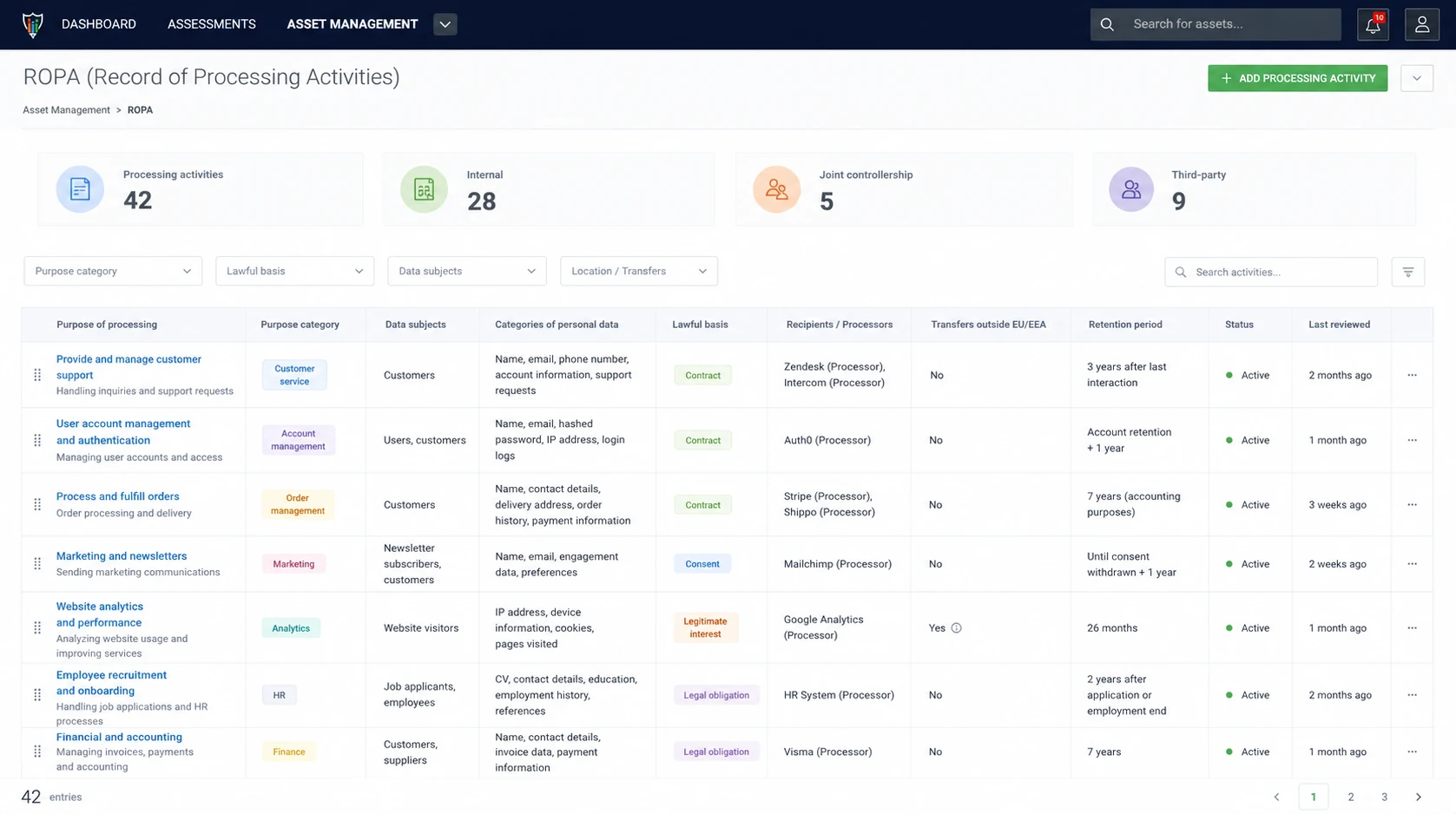
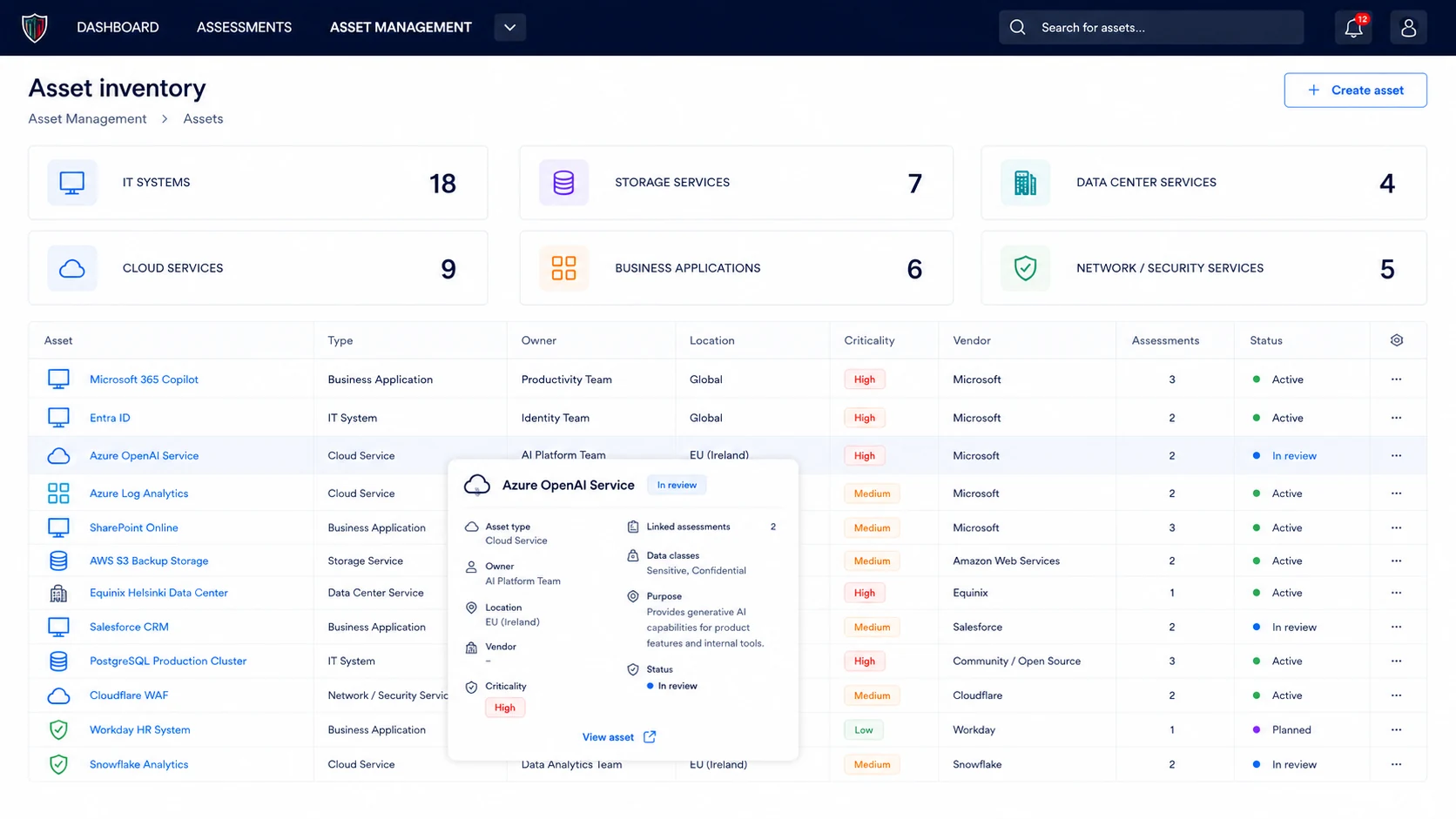
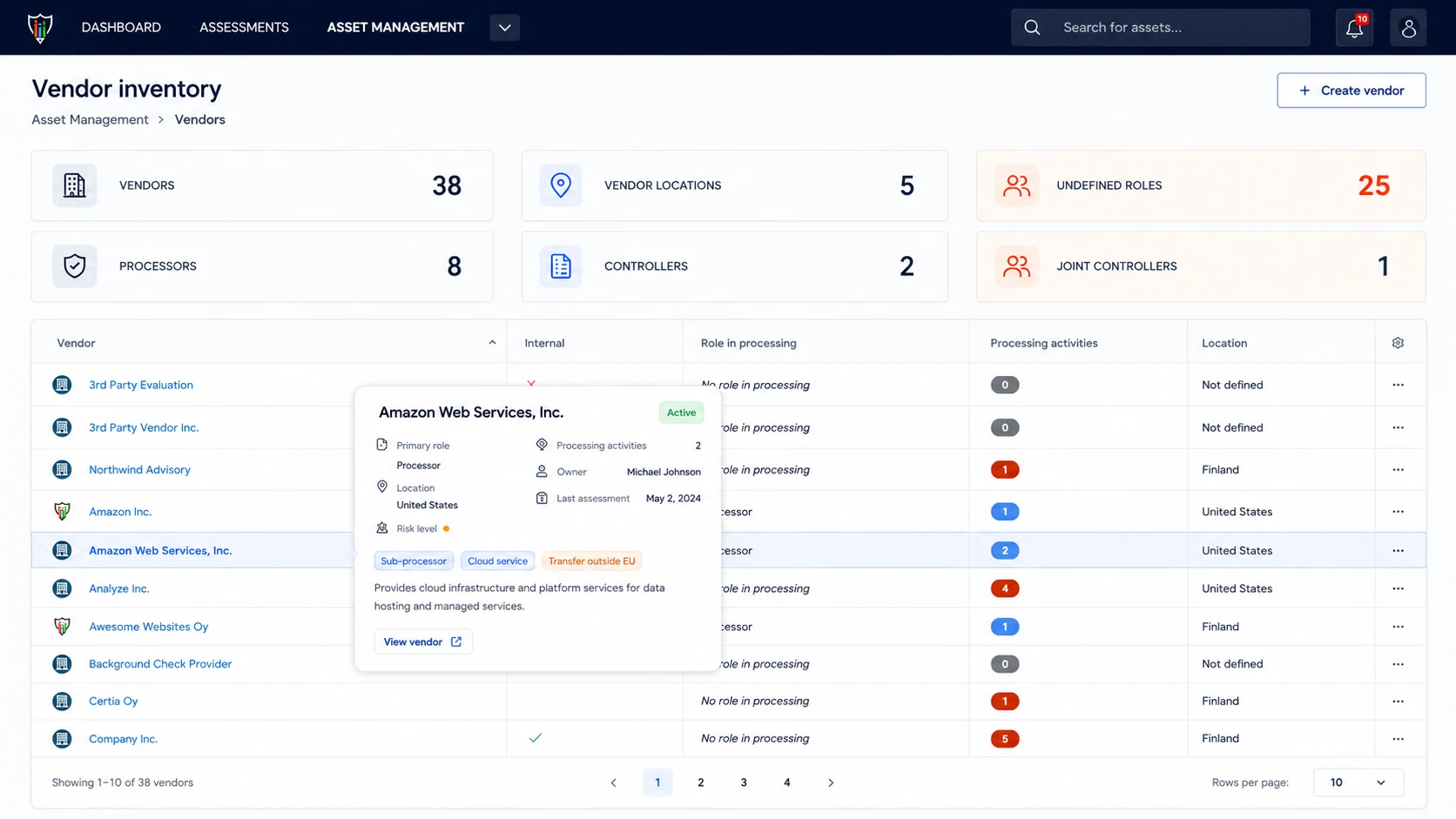
The first discussion with your privacy expert can start with the assessment: the important findings, the remaining questions and the changes worth making. The work also contributes to connected processing, system, supplier and risk records in PrivacyDesigner. Useful information stays part of your privacy documentation, not only inside a report.
Built from more than 10 years of hands-on privacy assessment work.

Bring the DPIA that keeps slipping down the to-do list.

Start with one real activity. See what your team can establish with Caijo, and what your privacy expert receives to review.

Request free test access. Start with your project, not a blank template.

Request a walkthrough

DPIA questions, answered.

Does the project team need to understand DPIAs?
No. They need to understand the activity they are planning or running. Caijo explains why its questions matter, proposes descriptions and findings, and asks the team to confirm or correct them.
What do we need to prepare?
Start with the purpose, the people involved and the systems or suppliers you expect to use. You do not need a completed questionnaire. Where an answer needs technical or supplier input, Caijo identifies the missing information.
Is this different from asking a general-purpose AI to write a DPIA?
Caijo is built around an assessment workflow: establish the context, apply the selected framework, assess risks and record actions. It actively asks for the details the team might not know to include in a prompt, and records the work in PrivacyDesigner.
Can we include our own privacy or security requirements?
Yes. Your experts can configure controls in PrivacyDesigner and combine relevant requirements in an assessment. Explore custom frameworks.
Who reviews the result?
Your privacy experts review the assessment and advise on the conclusions; the responsible people in your organisation decide what happens next. Caijo’s draft supports that work. It does not independently verify every answer or approve the processing.
Try Caijo for free